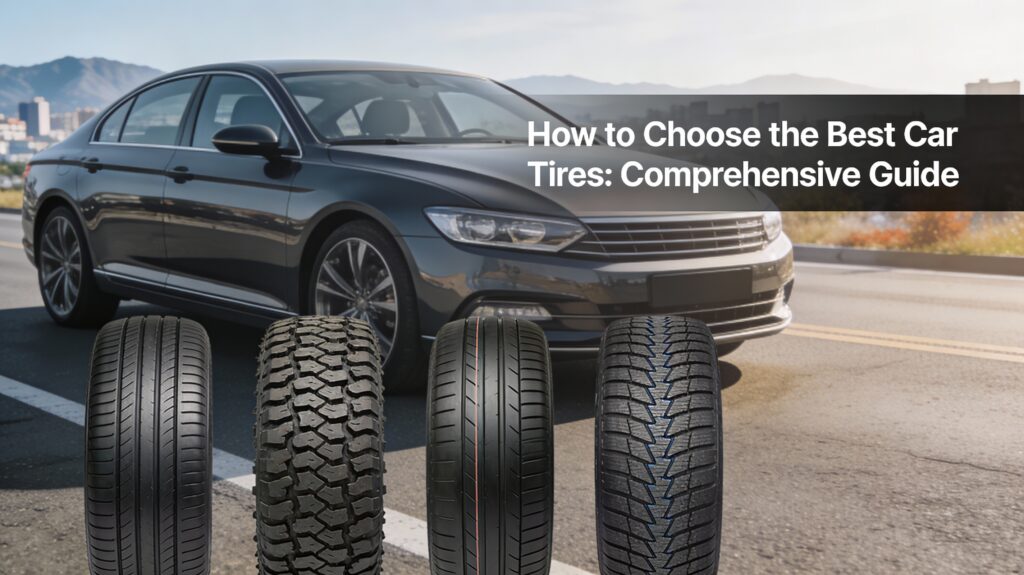

Since your vehicle's only connection to the road is through its tires, selecting the right ones is crucial for ensuring safety, achieving optimal performance, and improving fuel efficiency. Key factors to consider when choosing car tires include:
In this detailed guide, we'll break down everything you need to know about picking the best car tires for your needs.
Regular tire inspections are essential to prevent issues and maintain safety. Focus on these key areas during your checks:
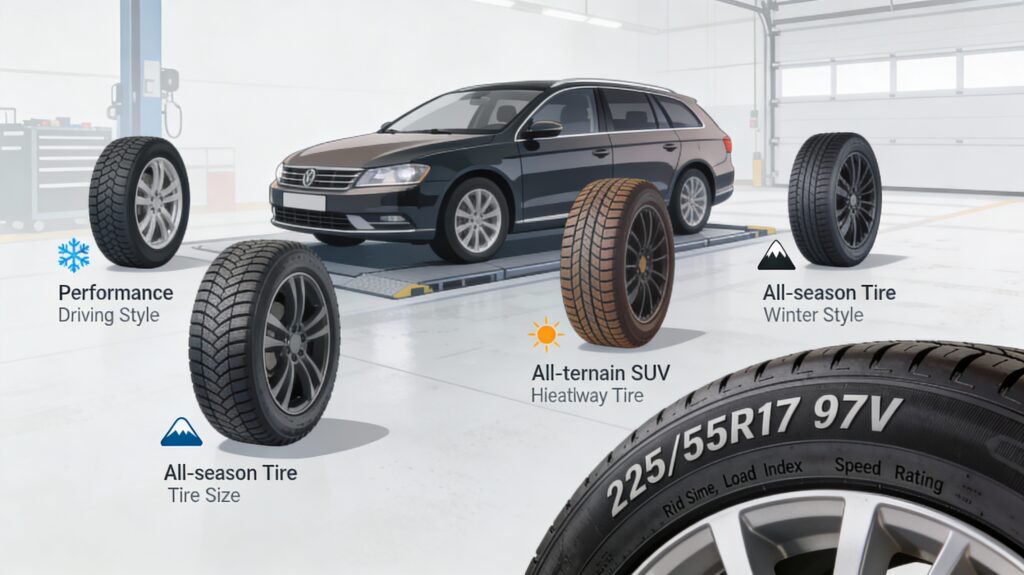
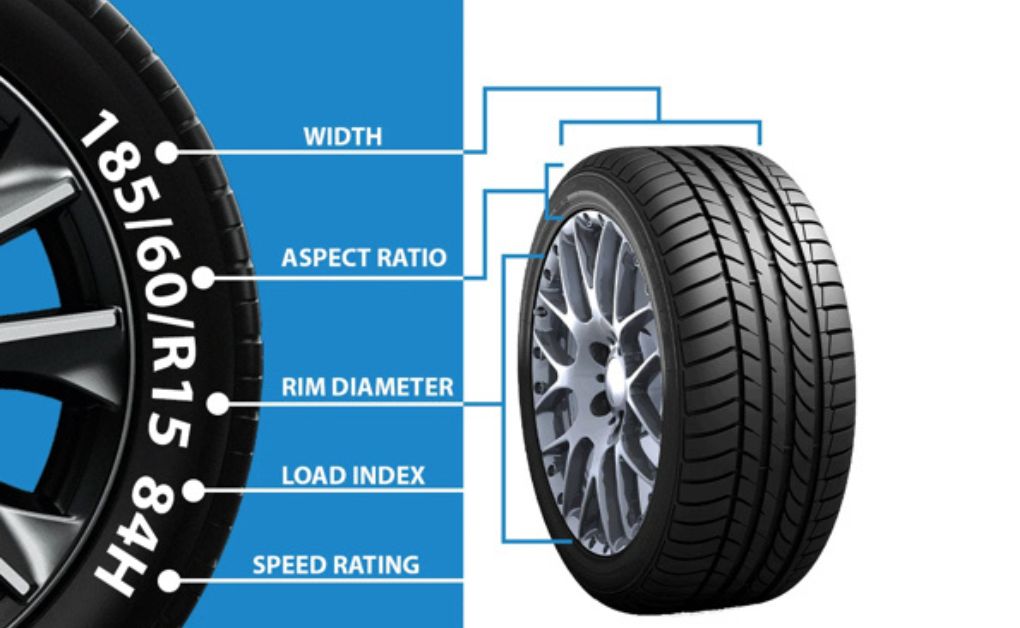
Knowing how to read the codes on your car tires is vital for ensuring compatibility with your vehicle:
Your driving habits play a significant role in tire selection. If you enjoy high speeds or tackle rugged terrains, opt for tires that offer superior handling and control. Understanding your needs, whether for smooth highway cruising or off-road adventures, ensures tires that provide stability, safety, and an enjoyable ride in diverse conditions.
Weather and seasons heavily influence tire choice. In hot climates, summer tires or all-season options excel at handling high road temperatures. For superior traction and control in varying weather, high-performance tires are ideal.
Always factor in your local climate to maximize road performance and safety year-round.
The type of vehicle you drive dictates the best tire options. Sports cars demand high-performance tires for speed and agility, while family sedans prioritize comfort and durability.
SUVs and trucks benefit from rugged, all-terrain tires. Selecting tires designed for your vehicle's capabilities ensures peak efficiency and handling.
With countless options on the market, quality varies widely. Investing in high-quality car tires pays off through enhanced safety, superior performance, excellent road grip, precise cornering, longer lifespan, and better fuel economy. Choose reputable brands for reliable, long-term value.
Rely on well-established manufacturers known for quality, such as:
The typical lifespan of car tires ranges from 6 to 10 years, depending on usage and exposure conditions. Replace them if signs of wear or damage appear. Regular inspections and checking the manufacturing date stamped on the tire are key to safe driving.
The speed rating is indicated by a letter on the tire's sidewall, usually at the end of the size information (e.g., "205/55R16 91V" where "V" is the speed rating). You can also find it in:
Replace tires when tread depth reaches 2/32 inch (1.6 mm), or sooner if you notice uneven wear, cracks, or bulges. Factors like driving habits and road conditions affect this timeline.
All-season tires from brands like Michelin or Continental offer versatility for moderate climates, providing good traction in dry, wet, and light snow conditions without needing seasonal swaps.
For convenient shopping and professional installation, visit mathyotyres, an online tyre shop, specializing in genuine tires with mobile fitting services.