
Summary
Dubai’s extreme summer heat creates dangerous conditions for tyres, especially during long highway drives and daily commuting. High road temperatures, incorrect tyre pressure, and worn-out tyres can quickly lead to sudden tyre blowouts if ignored.
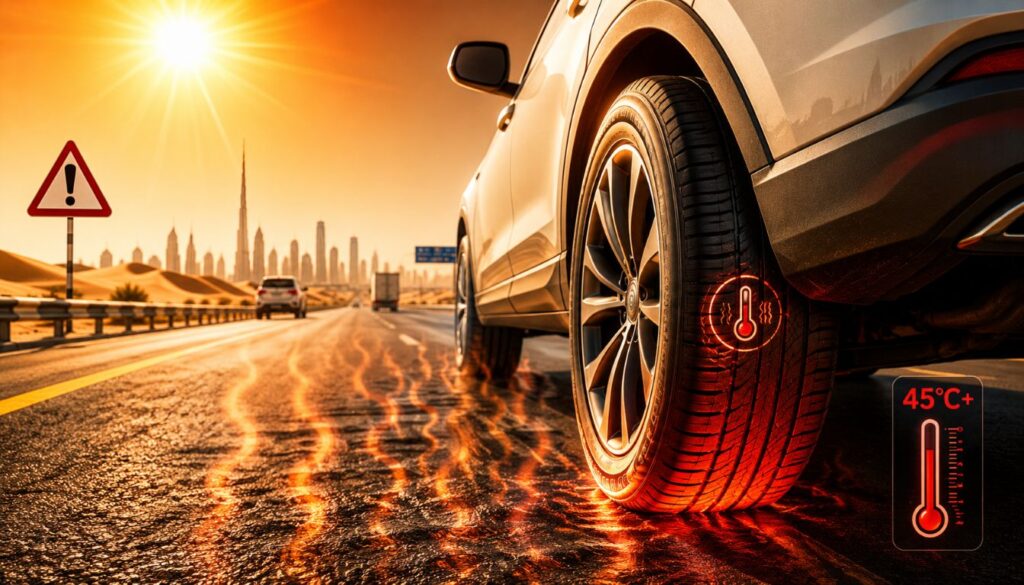
Dubai summers are extremely harsh on vehicles, especially tyres. During peak months, road surface temperatures can become much hotter than the actual air temperature. Combined with high-speed highway driving, overloaded vehicles, and poor tyre maintenance, these conditions significantly increase the risk of tyre blowouts across the UAE.
A tyre blowout is not just an inconvenience. It can become a serious road safety hazard, particularly on fast-moving roads like Sheikh Zayed Road, Al Khail Road, and major UAE highways connecting Dubai and Abu Dhabi.
Many tyre blowouts happen because drivers overlook early warning signs such as low tyre pressure, uneven tread wear, cracked sidewalls, or aging tyres. In Dubai’s extreme heat, even small tyre issues can quickly become dangerous.
Regular tyre inspections, proper pressure checks, and using quality tyres designed for UAE conditions are essential for safe summer driving.
If you frequently drive long distances, commute daily, or travel with family during summer, understanding what causes tyre blowouts can help you avoid breakdowns, expensive repairs, and dangerous highway emergencies.
A tyre blowout happens when a tyre suddenly loses air pressure due to a rupture or structural failure. Unlike a slow puncture, a blowout occurs instantly and can cause the driver to lose vehicle control.
In Dubai, tyre blowouts are more common during summer because excessive heat increases tyre pressure and weakens already damaged or worn tyres.
Most blowouts occur because of:
Drivers using worn tyres in extreme UAE temperatures face a much higher risk of sudden tyre failure.
For drivers unsure about choosing the right tyre category for UAE weather and road conditions, understanding the differences between SUV tyres, touring tyres, performance tyres, and all-season options is important. This detailed guide on types of tyres explained for Dubai drivers explains which tyre types perform best in extreme Dubai summer temperatures.
Dubai summer temperatures regularly exceed 45°C, while asphalt road temperatures can rise above 70°C during the afternoon.
This intense heat affects tyre performance in several ways:
The risk becomes even higher for:
Continuous driving on overheated roads creates excessive friction between the tyre and asphalt, increasing internal tyre temperature and stress.
Underinflation is one of the biggest causes of tyre blowouts in the UAE.
When tyres do not have enough air pressure, the tyre sidewalls flex excessively while driving. This creates heat buildup inside the tyre structure, especially during high-speed driving in hot weather.
| Tyre Condition | Blowout Risk |
| Correct pressure | Low |
| Underinflated tyres | Very High |
| Overinflated tyres | Moderate |
| Uneven tyre pressure | High |
Underinflated tyres also cause:
Drivers should check tyre pressure regularly, especially during summer months.
Some drivers overinflate tyres believing it improves performance or fuel economy. However, overinflation reduces the tyre’s contact with the road surface and increases the risk of sudden rupture in hot weather.
In Dubai heat, air expands naturally. If tyres are already overinflated, rising temperatures can push pressure beyond safe limits.
This is especially risky during:
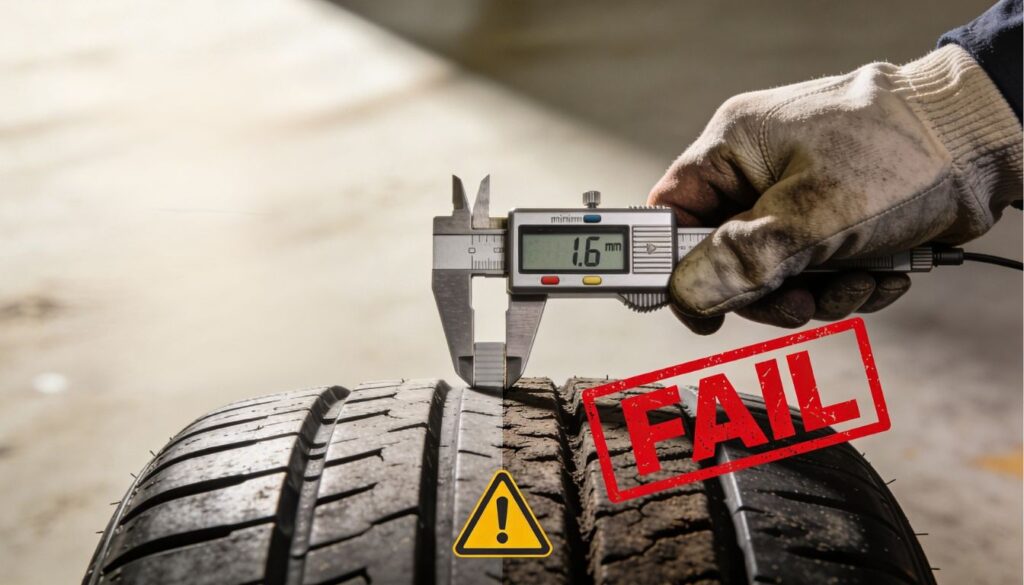
Worn tyres are extremely dangerous during UAE summers.
As tyres age and tread depth decreases, they lose their ability to disperse heat effectively. Cracked rubber and bald tread areas become weak points that may fail under pressure.
| Warning Sign | Risk Level |
| Low tread depth | High |
| Sidewall cracks | Very High |
| Uneven wear | High |
| Bulges on tyre | Critical |
If you notice uneven wear patterns or damaged tread, replacing tyres early is far safer than risking a blowout.
Using high-quality tyres designed for UAE heat can significantly reduce the risk of tyre failure during summer highway driving. Drivers comparing premium, mid-range, and budget options can explore these recommended tyre brands in Dubai for better heat resistance, durability, and long-term performance.
Even if tyres look visually acceptable, old tyres become weaker over time.
Dubai’s heat accelerates:
| Tyre Age | UAE Summer Risk |
| 1–3 Years | Low |
| 3–5 Years | Moderate |
| Over 5 Years | High |
Drivers should regularly check the tyre DOT manufacturing date and avoid using old tyres during UAE summers.
High-speed driving increases tyre temperature rapidly.
Major Dubai highways such as:
place continuous stress on tyres, especially during summer afternoons.
When speed combines with:
the risk of tyre failure increases significantly.
Many tyre blowouts happen because vehicles carry more weight than tyres are designed to support.
Overloaded vehicles create:
This is common during:
Impact damage weakens tyres internally, even when external damage appears small.
Hitting:
can damage tyre sidewalls and internal cords.
In extreme Dubai heat, these weak areas can fail suddenly and cause blowouts.
Improper wheel balancing creates uneven tyre wear and vibration, which increases tyre stress during high-speed driving.
Poor alignment also causes:
Regular wheel balancing services in Dubai help improve tyre life, reduce vibration, and lower blowout risk during UAE summers.
Most tyres show warning signs before failing completely.
Drivers should watch for:
| Warning Sign | Immediate Action |
| Sidewall bulge | Replace tyre immediately |
| Frequent pressure loss | Inspect for leaks |
| Uneven wear | Alignment check |
| Cracks in rubber | Replace tyre |
| Strong vibration | Balance inspection |
Ignoring these warning signs during Dubai summers can quickly lead to dangerous tyre failure.
Tyre pressure should ideally be checked:
Incorrect tyre pressure is one of the most common causes of tyre failure in Dubai.
Do not wait until tyres become severely worn.
Replacing ageing or cracked tyres before summer peak temperatures is much safer and helps avoid emergency roadside situations.
Drivers looking for reliable tyre inspections, replacement support, and UAE summer tyre safety services can explore mathyo tyres Dubai for professional tyre assistance and mobile fitting support across Dubai.
Driving aggressively in extreme afternoon temperatures increases tyre stress significantly.
Reducing speed:
Tyre rotation and balancing help distribute wear evenly and improve overall tyre performance. Poorly balanced tyres generate additional heat and vibration during high-speed driving.
Tyres should also undergo regular tyre rotation and balancing to ensure even tread wear, improve vehicle stability, and reduce heat buildup that can contribute to premature tyre failure.
Cheap or low-quality tyres may struggle in Dubai’s extreme climate.
Drivers should use:
If a tyre suddenly bursts while driving:
Panic braking during a blowout can cause loss of vehicle control, especially on highways.
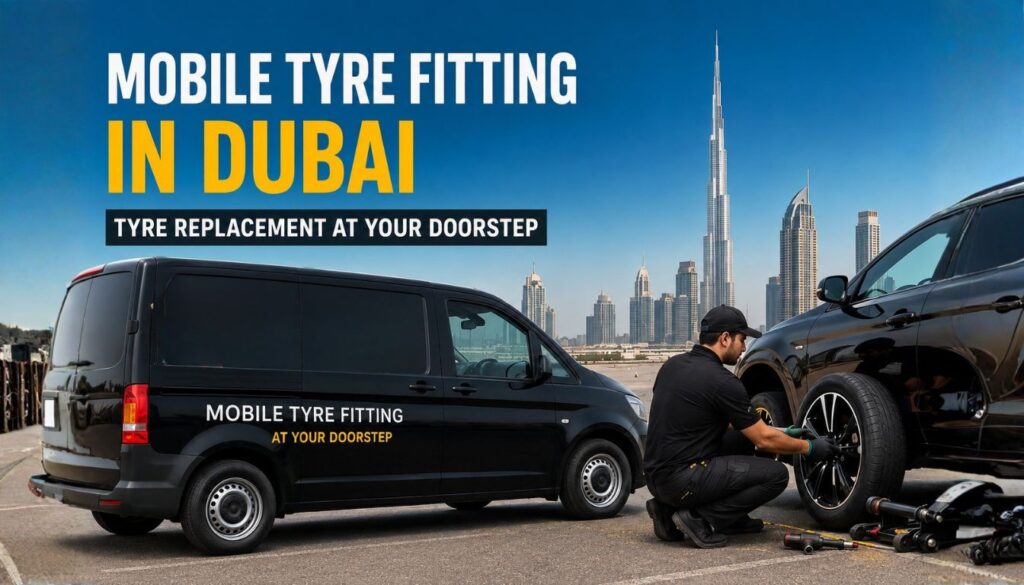
Drivers needing urgent roadside tyre assistance can also use mobile tyre fitting services in Dubai for emergency tyre replacement and on-site support across Dubai.
Yes. Summer tyre inspections are highly recommended in the UAE.
Regular inspections help detect low tread depth, pressure issues, sidewall damage, alignment problems, and ageing tyres before they become dangerous. All vehicles in the UAE must also comply with UAE RTA vehicle inspection standards to remain road-legal, making summer tyre inspections essential for every driver.
Preventive maintenance is far safer and cheaper than dealing with a highway tyre emergency during extreme summer heat.
Drivers searching for a nearby tyre specialist for inspections or replacement support can also visit the tyre shop near me in Dubai page for mobile tyre services across major Dubai areas.
Dubai drivers often face harsh road conditions, long commutes, and extreme temperatures that place constant stress on tyres.
mathyo tyres supports drivers across Dubai with:
Whether you drive daily on Sheikh Zayed Road, commute across Business Bay, or travel long distances during summer, regular tyre maintenance can significantly reduce the risk of dangerous tyre blowouts.
Using genuine tyres suitable for UAE weather, maintaining correct tyre pressure, and performing regular inspections are some of the best ways to improve road safety during Dubai’s extreme summer conditions.