
Dubai has one of the most competitive tyre markets in the world. Hundreds of tyre shops operate across areas like Al Quoz, Deira, DIP, and Al Qusais, and while many are professional and trustworthy, the competition has also led to questionable practices that most drivers are not aware of.
Understanding common tyre scams in Dubai can save you money, protect your safety, and help you make smarter buying decisions.
Dubai is a high demand tyre market because of heat, long highway driving, and heavy vehicle usage. Tyres wear out faster here than in many other countries, which creates constant demand.
Where demand is high and buyers are often in a hurry, some sellers take advantage of urgency and lack of technical knowledge.
Most scams rely on one thing the buyer not knowing what to check
One of the most overlooked issues is tyres that were manufactured for other regions but sold locally.
Some tyres may be genuine factory produced tyres from well known brands but intended for different climates or markets. These tyres may use different rubber compounds or construction standards that are not optimized for UAE road temperatures.
Tyres designed for cooler regions can:
Drivers often think they are saving money when buying these tyres, but they usually replace them much sooner, making them more expensive long term.
Tyres sold legally in the UAE must comply with standards set by the Emirates Authority for Standardization and Metrology known as ESMA. These standards ensure tyres are suitable for local temperatures, road conditions, and safety requirements.
Approved tyres usually include an official conformity label or RFID sticker. This identifier allows regulators, distributors, and manufacturers to trace the tyre’s origin, specifications, and approval status within the UAE market.
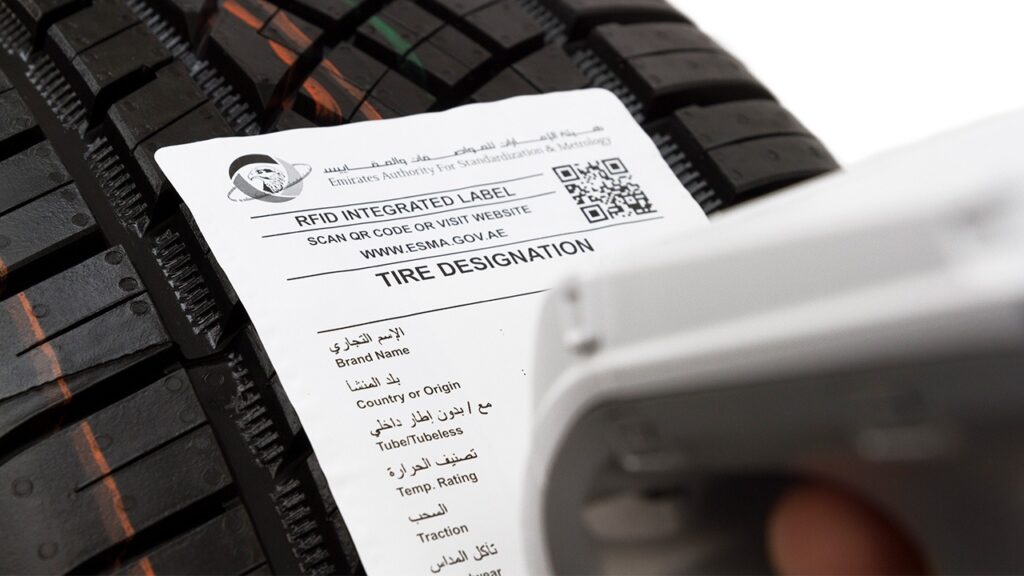
If a tyre does not have this certification or traceable identification, it may be:
This creates two serious risks.
If the tyre fails or bursts, there may be no way to trace its supply chain or claim manufacturer support.
Tyres imported from other regions may have lower temperature resistance ratings such as B or C instead of A, which is required for UAE conditions. Lower ratings increase the risk of overheating, rapid wear, or failure in extreme heat.
Reliable tyre providers only supply tyres that meet UAE regulatory standards and can verify origin and specifications. Many Dubai drivers prefer checking details with established providers such as mathyo tyres before installation so they can confirm compliance and traceability.
A very common practice worldwide is selling older tyres as “new.”
Tyres age even when unused. Rubber degrades over time, especially in hot climates.
Some sellers may:
In reality, tyre age matters a lot in the UAE, so it’s important to verify it yourself—use our step‑by‑step guide on how to check tyre year before accepting any “new” tyre.
Many drivers do not realize that selling used tyres for passenger vehicles is restricted or prohibited under UAE regulations, regardless of condition, because used tyres can have hidden internal damage.
Some shops may offer a used tyre for a spare wheel and charge between 200 and 400 AED.
This is risky because used tyres can have:
In most cases, a new budget tyre is safer than a second hand tyre. The idea that a used tyre is “good enough for a spare” is misleading and potentially dangerous.
Another common tactic is pricing psychology.
Some tyre shops advertise extremely low prices to attract customers, then increase the bill through add ons such as:
Always ask for the total price including VAT and all services before agreeing.
Transparent providers usually share full pricing upfront. Many drivers now compare quotes remotely through companies like mathyo tyres before deciding where to install.
Some sellers suggest mixing tyre brands or tread types to reduce cost. While it may save money immediately, it can affect:
Tyres on the same axle should always match in size, pattern, and performance characteristics. Mixing mismatched tyres is unsafe, especially at highway speed.
Less experienced buyers may not know how to read tyre sidewall markings. This can lead to situations where a seller installs tyres that do not match the correct load index or speed rating for the vehicle.
Incorrect specifications can result in:
Always verify tyre size, load rating, and speed rating with your vehicle manufacturer specifications.
A classic tactic is urgency pressure.
Some shops may say:
High pressure tactics are often used to stop buyers from comparing options.
Professional tyre providers explain options calmly and allow customers to decide without pressure.
Follow this checklist before paying:
Drivers who want to avoid on site pressure often research tyre options first and request details from providers such as mathyo tyres so they can compare safely before booking installation.
Most tyre scams do not rely on fake products. They rely on buyers lacking technical knowledge.
The safest approach is simple
A reliable tyre seller will always be transparent about specifications, pricing, and origin.
In Dubai’s demanding driving environment, the right tyres are not just a purchase. They are a safety decision.