UAE Tyre Tread Depth Rules Explained (Dubai/RTA): What Fails Inspection

In this article
In this article

If you are preparing for an RTA vehicle inspection in Dubai, tyres are one of the most common reasons cars fail. Many drivers assume their tyres are fine because the tread “looks okay,” but RTA inspection checks are strict and UAE road conditions wear tyres faster than people expect.

This Dubai focused guide explains UAE tyre tread depth rules, what typically fails RTA inspection, and how to avoid a last minute tyre replacement.

1. What Is Tyre Tread Depth And Why Rta Cares

Tyre tread depth is the depth of the grooves in your tyre. These grooves are what remove water, maintain grip, and help braking performance. In Dubai, tyres are exposed to heat, high speed roads, and long commutes, so tread wears quickly.

Low Tread Increases:

  • Longer braking distance
  • Higher risk of skidding in rain
  • Higher risk of blowouts in extreme heat

That is why RTA inspection focuses heavily on tyre condition.

2. UAE Minimum Tread Depth For Passing Inspection

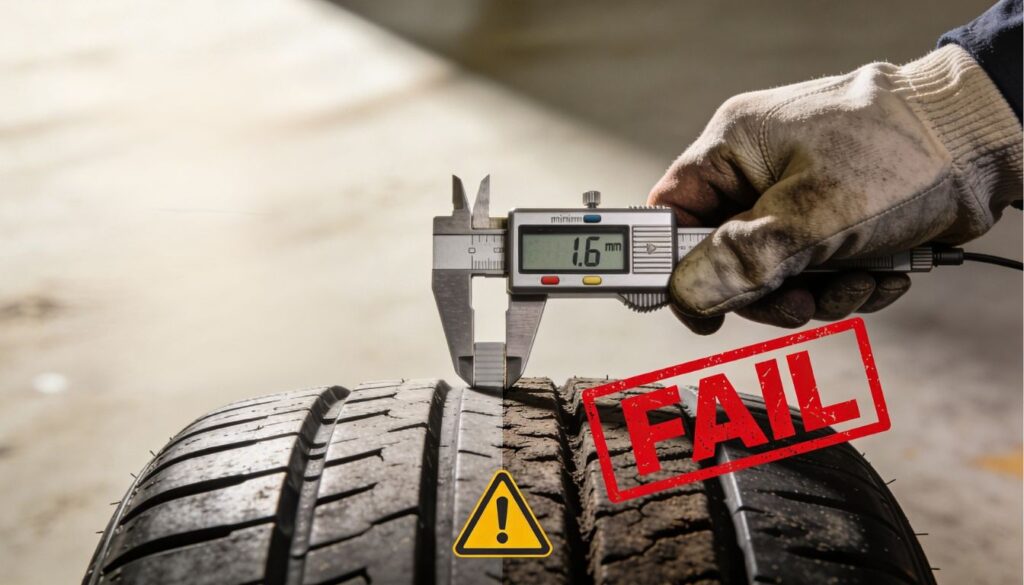
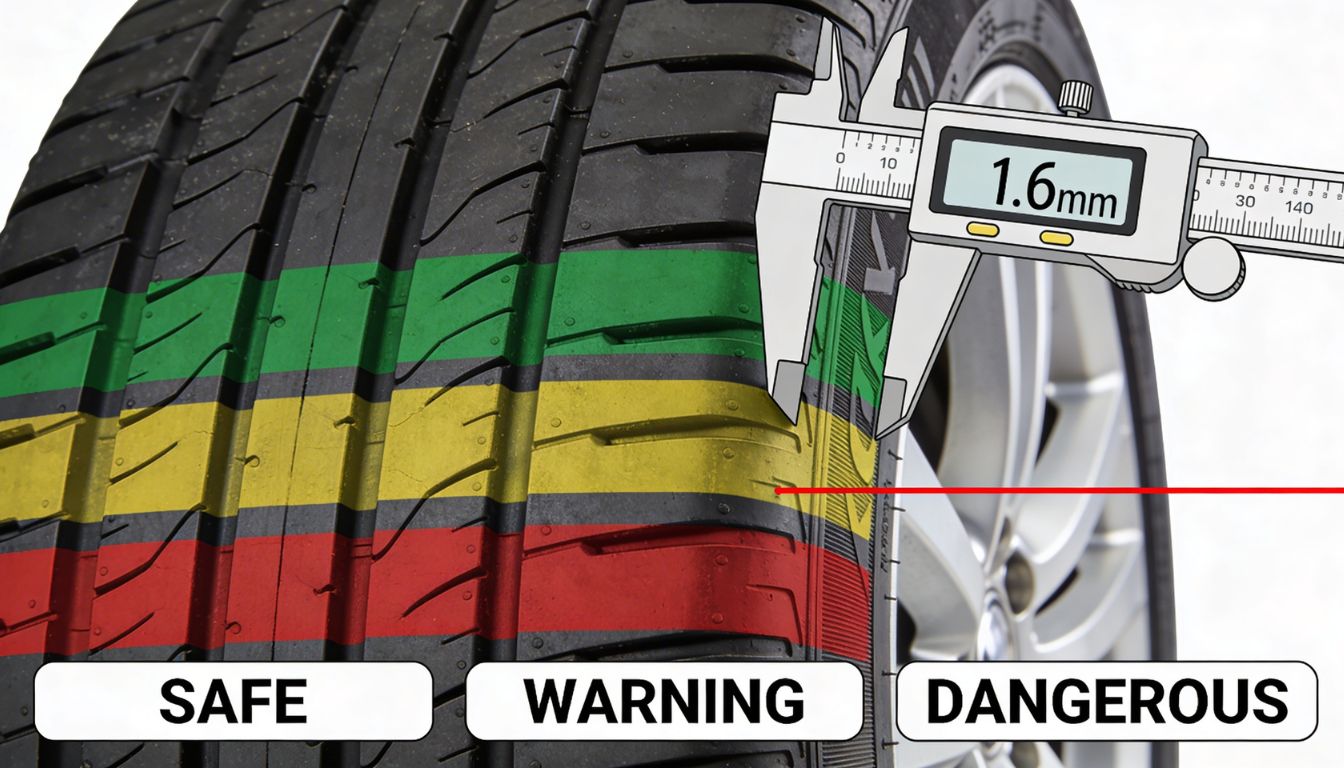
Across the UAE, the commonly enforced minimum is 1.6 mm tread depth. If your tyre tread depth is at or below this level, your vehicle can fail inspection.

Practical Dubai advice: do not wait until you are exactly at the limit. Aim to replace tyres before they reach the minimum, especially if you drive highways like Sheikh Zayed Road or you do frequent long distance driving.

3. The Fastest Way To Check Tread Depth In Dubai

You have three simple options:

Tread Depth Gauge

This is the most accurate and costs very little.

Wear Indicators On The Tyre

Most tyres have built in wear bars. If the tread is level with the wear bars, the tyre is at the limit.

Coin Test As A Quick Check

This is not a perfect method, but it gives you a rough idea if you are close to the minimum. If the tread looks shallow, do not risk it before an RTA test.

If you want a quick check without going to a garage, mobile tyre fitting providers can inspect tread at your location. mathyo tyres can do a quick wear check during a tyre visit so you know where you stand before the inspection.

4. What Fails Rta Inspection In Dubai Besides Low Tread

Many tyres fail RTA inspection even when the tread depth seems acceptable. Common failure reasons include:

  • Uneven tyre wear - If the tyre has uneven wear on the inside or outside shoulder, inspection may flag it. This is common in Dubai because of curb hits, alignment issues, and aggressive braking.
  • Sidewall damage - Cuts, bubbles, bulges, or cracks on the sidewall are serious. Sidewall damage is one of the fastest ways to fail because it can lead to a blowout.
  • Visible cords or deep cracks - If the internal structure is visible or the rubber is cracking heavily, it will fail.
  • Different tyre sizes or incorrect specifications - If the tyres do not match the required size or load rating for your vehicle, it can cause problems. Always confirm the correct tyre size and rating.
  • Very old tyres - Even if tread is still present, aged tyres can crack in Dubai heat. Inspectors may flag tyres that show signs of aging or dry rot.

5. Dubai Heat And Why Tyres Fail Sooner In The Uae

UAE summers can exceed 45°C and road surface temperatures can be much higher. Heat accelerates rubber aging, reduces tyre life, and increases the impact of under inflation.

Common Dubai Tyre Killers:

  • Driving with low tyre pressure
  • Long highway drives at high speed
  • Parking in direct sun daily
  • Cheap tyres with weaker heat resistance

This is why “good tread” alone is not enough.
UAE Tyre Tread Depth Rules Explained

6. How To Avoid Failing Rta Inspection Due To Tyres

If your inspection is coming up, use this checklist:

  • Check tread depth on all four tyres
  • Look at inner edges of tyres for hidden wear
  • Check sidewalls for bubbles, cuts, and cracks
  • Confirm tyre pressure is correct
  • Replace tyres early if you are close to the limit
  • Avoid mixing worn tyres and new tyres incorrectly

If you are unsure, do not wait until inspection day. A quick tyre check is faster and cheaper than a failed test and re inspection.

7. What To Do If You Fail Rta Because Of Tyres

If you fail due to tyres, you usually need to replace the tyres and return for re testing within the allowed period. Most drivers lose time because they have to find a tyre shop, wait, and return again.

A practical Dubai option is mobile tyre replacement, where tyres are delivered and fitted at your home or office, so you can fix the issue quickly and go back to the RTA test without wasting your day. This is exactly the use case where mathyo tyres is popular, especially for drivers who need a fast replacement without garage waiting.


Frequently Asked Questions – mathyo tyres

What Is The Minimum Tyre Tread Depth In Dubai?

In Dubai and across the UAE, the commonly enforced minimum tyre tread depth is 1.6 mm. Tyres at or below this level can fail RTA inspection.

Can I Pass The Rta Inspection With Tyres That Look Fine?

Not always. Even if tyres look fine visually, RTA inspection may fail them due to low tread depth, uneven wear, sidewall damage, or visible cracking caused by heat and age.

How Can I Check Tyre Tread Depth Before Rta Inspection?

You can check tyre tread depth using a tread depth gauge, the built in wear indicators on the tyre, or a quick visual inspection. For a more reliable check, many drivers in Dubai use mobile tyre fitting services like mathyo tyres, which can inspect tyres at home or work.

Do Old Tyres Fail Rta Inspection In Dubai?

Yes. Even if tread depth is acceptable, tyres that show signs of aging, cracking, or dry rot may fail inspection, especially in Dubai’s high heat conditions.

What Tyre Damage Causes Immediate Rta Failure?

Tyres usually fail inspection if there are:
  • Sidewall cuts, bubbles, or bulges
  • Visible cords or deep cracks
  • Uneven wear exposing the tyre structure
  • Incorrect tyre size or load rating

Does Dubai Heat Affect Tyre Lifespan?

Yes. Dubai heat significantly accelerates tyre wear and rubber aging. High road temperatures, long highway driving, and under inflation all reduce tyre lifespan faster compared to cooler climates.

How Often Should Tyres Be Replaced In Dubai?

Most tyres in Dubai are replaced every 2 to 4 years, depending on mileage, driving style, and tyre quality. High mileage or highway drivers may need replacement sooner.

Can I Drive To An Rta Test With Worn Tyres?

It is not recommended. Driving on worn tyres increases the risk of blowouts, especially in hot weather. Many drivers now replace tyres using mobile tyre fitting services to avoid driving on unsafe tyres.

What Is The Fastest Way To Replace Tyres Before Rta Inspection?

The fastest option is mobile tyre replacement, where tyres are delivered and fitted at your location. Providers like mathyo tyres allow Dubai drivers to replace tyres at home or work and return to RTA inspection without garage waiting.

Is Mobile Tyre Fitting Accepted For Rta Inspection?

Yes. As long as the tyres meet UAE requirements for tread depth, size, rating, and condition, tyres fitted via mobile tyre fitting are fully acceptable for RTA inspection.

How Do I Avoid Failing Rta Inspection Due To Tyres?

Check tread depth early, inspect sidewalls, confirm tyre age, ensure correct tyre size, and replace tyres before they reach the legal limit. Getting a professional tyre check ahead of inspection reduces the chance of failure.

Where Can I Get A Tyre Check In Dubai Without Visiting A Garage?

Many drivers now use mobile tyre fitting providers like mathyo tyres, which offer tyre wear checks and replacements at home or office locations across Dubai and the UAE.

You may also like

Join our newsletter and stay up to date

Subscribe for expert tyre advice, car care tips, and essential updates for UAE drivers.
Whatsapp Us Now