
A car battery typically lasts several years, but there is no single lifespan that applies to every vehicle or battery. Your car battery life depends on factors such as climate, driving habits, vehicle type, battery quality, electrical demand, and how well the battery is maintained.
If you're wondering about the average life of a car battery, the better question is not simply "How many years does a battery last?" What conditions is the battery operating under, and how is its condition changing over time?
A battery can work normally for years and then begin losing its ability to hold a charge. Understanding the typical car battery life span, warning signs, and factors that shorten battery life can help you avoid an unexpected breakdown.
For many conventional automotive batteries, a lifespan of around 3 to 5 years is commonly used as a general reference. However, actual car battery lifetime can be shorter or longer depending on the vehicle and operating conditions.
A battery used in a vehicle that makes frequent short trips may experience more strain than one used regularly for longer journeys. Similarly, extreme temperatures, heavy electrical loads, poor charging-system performance, and extended periods without driving can affect battery longevity.
This means the average car battery lifetime should be treated as a guideline rather than a guaranteed replacement schedule.
A new car battery should provide reliable starting power when it is correctly matched to the vehicle and properly installed.
However, the age of the battery is only one part of the equation. A relatively new battery can become weak because of:
So, new car battery life expectancy depends on both battery quality and vehicle conditions.
Several factors determine how long an automotive battery remains reliable.
Temperature has a significant effect on battery performance.
Very high temperatures can accelerate battery deterioration, while very cold conditions can make it harder for a weak battery to provide sufficient starting power.
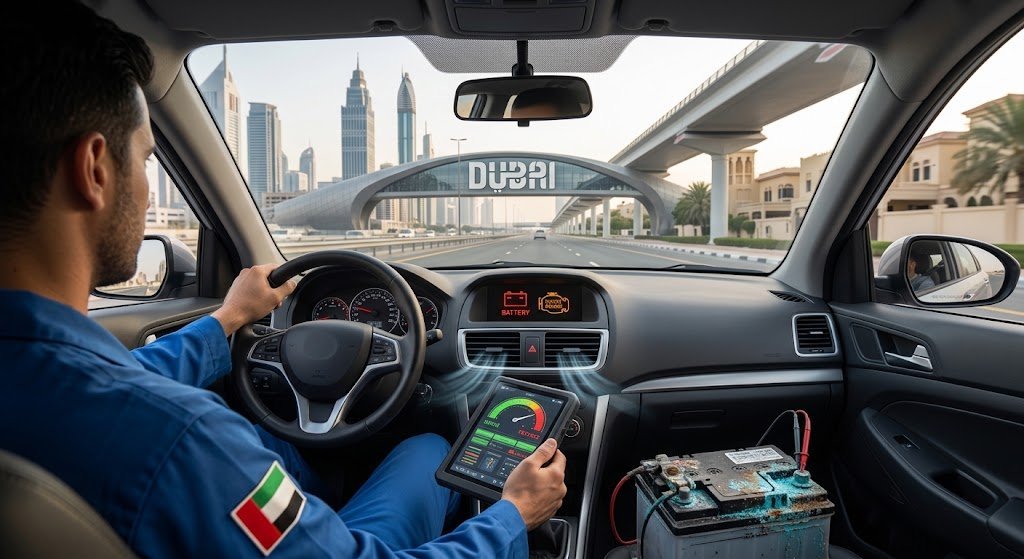
For drivers in Dubai and the UAE, heat is particularly relevant when considering vehicle battery life. A battery operating in a hot environment can experience greater stress over time.
This is one reason regular battery inspections are useful even when the vehicle still starts normally.
Your daily driving pattern can have a major effect on car battery usage.
Frequent short trips may not allow the vehicle's charging system enough time to fully replenish energy used during starting and normal electrical operation.
For example, repeatedly driving only a few minutes at a time can contribute to battery discharge over time.
Longer journeys generally give the alternator more opportunity to recharge the battery.
Modern vehicles use many electrical systems, including:
The more electrical equipment a vehicle has, the more important the battery and charging system become.
A vehicle with high electrical demand may therefore have different battery requirements from an older, simpler vehicle.
Not every battery is designed for every vehicle.
Battery size, capacity, starting performance, technology, and physical dimensions all need to be appropriate for the vehicle.
Installing the wrong battery can affect performance and potentially reduce car battery durability.
The goal should not simply be to find the cheapest battery. The battery needs to match the manufacturer's requirements and the vehicle's electrical system.
A vehicle that remains parked for an extended period can gradually lose battery charge.
Modern cars continue consuming small amounts of electricity even when switched off because systems such as security and electronic modules may remain active.
If the vehicle is rarely driven, checking the battery condition becomes more important.
A battery does not always fail without warning. There are several signs that can indicate declining car battery life expectancy.
One of the most common warning signs is slower-than-normal engine cranking.
If the starter sounds weaker than usual when you turn the key or press the start button, the battery may no longer be providing sufficient starting power.
If your car increasingly struggles to start, don't automatically assume the battery is the only problem.
A weak battery, charging-system fault, starter problem, or electrical issue can produce similar symptoms.
Battery testing can help identify whether the battery is responsible.
A battery warning light should not be ignored.
It can indicate a problem with the vehicle's charging system rather than simply an old battery.
The alternator, battery, wiring, or related electrical components may need inspection.
Dimming lights, unusual electrical behaviour, or electronic systems shutting down unexpectedly can sometimes indicate low battery voltage.
Again, these symptoms do not automatically mean the battery needs replacement. Proper testing is important.
There are several practical ways to help extend car battery life.
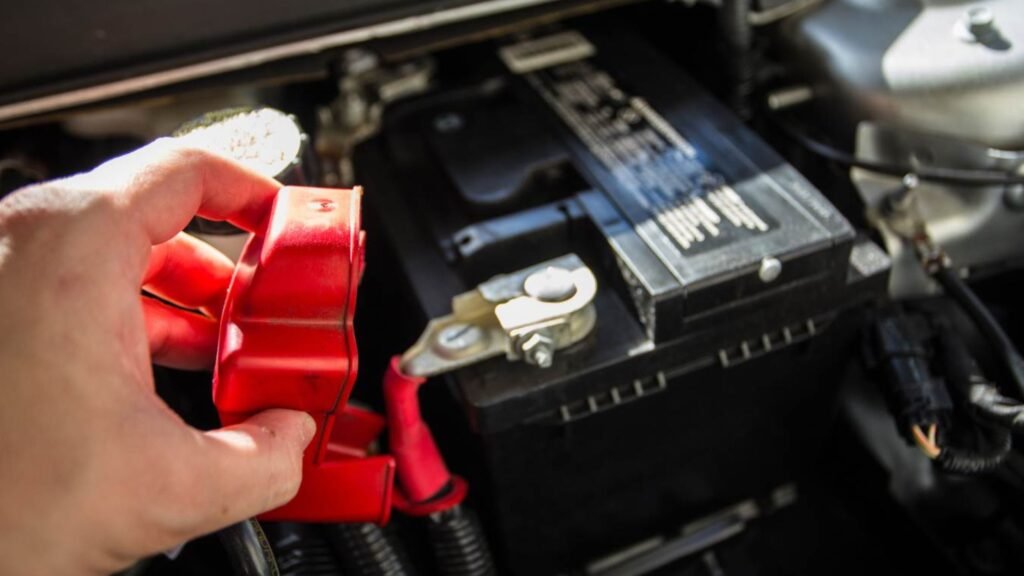
Corrosion or poor connections around the battery terminals can interfere with electrical flow.
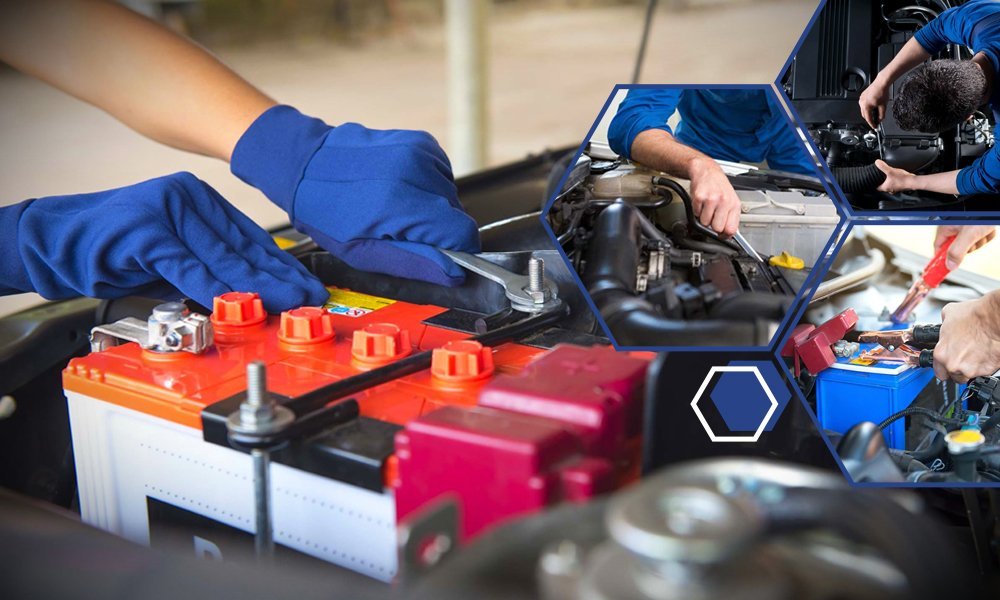
During routine maintenance, the battery and its connections should be inspected for visible corrosion, looseness, or damage.
Leaving headlights, interior lights, infotainment systems, or other electrical equipment running while the engine is off can drain the battery.
Repeated deep discharges can negatively affect battery longevity.
If a car sits unused for long periods, the battery can gradually lose charge.
Regular use can help maintain the battery's state of charge, although the appropriate maintenance approach depends on the vehicle and battery.
Battery testing can provide useful information about the battery's condition and starting capability.
Testing is especially useful when:
A common question is: can a car battery last 10 years?
It is possible for a battery to remain functional for a long period under favourable conditions, but a 10-year lifespan should not be treated as a normal expectation for a conventional car battery.
As a battery ages, its ability to store and deliver electrical energy generally declines.
Instead of waiting for a battery to reach a specific age, drivers should consider its:
This provides a much better indication of whether the battery is approaching the end of its useful life.
Car battery shelf life is different from the battery's service life.
Shelf life refers to how long a battery can remain stored before its condition begins to deteriorate. A battery that is sitting unused is not necessarily maintaining the same condition as a battery that is correctly installed and maintained in a vehicle.
For this reason, when buying a replacement battery, it's important to consider the battery's condition, storage history, specification, and warranty not simply whether it is labelled "new."
Yes. Car battery age is an important factor when evaluating battery condition.
As batteries age, their internal ability to store and deliver energy can decline.
However, age alone does not determine whether a battery needs replacing.
For example, one battery may remain reliable for longer than another because of differences in:
This is why battery testing is more useful than relying on age alone.
If you're searching for the longest lasting car battery or asking which car batteries last the longest, there isn't one universal battery that is best for every vehicle.
The correct choice depends on the vehicle manufacturer's specifications and the electrical requirements of the car.
When choosing a replacement battery, consider:
The battery must be compatible with your vehicle's physical and electrical requirements.
Battery capacity should meet the vehicle's requirements rather than simply being selected based on price.
The battery needs sufficient starting capability for the vehicle.
Different vehicles may require different battery technologies, particularly vehicles with advanced electrical systems or start-stop technology.
A suitable warranty provides additional protection when purchasing a replacement battery.
Dubai's hot climate is an important consideration for vehicle maintenance.
High temperatures can place additional stress on automotive batteries and other vehicle components. This makes regular inspection particularly useful for Dubai drivers.
If your vehicle is frequently exposed to high temperatures, don't wait until the car refuses to start before checking the battery.
A professional inspection can identify whether the battery is still performing properly or whether replacement should be considered.
There is no single mileage or age at which every battery must be replaced.
You should consider a battery replacement when:
If the battery is physically damaged, leaking, or swollen, it should be assessed by a qualified technician rather than continuing to use it.
It's important to distinguish normal battery ageing from other electrical problems.
A car that won't start does not necessarily have a dead battery.
Possible causes can include:
This is why simply replacing the battery without diagnosis can sometimes fail to solve the underlying problem.
A proper battery inspection and electrical-system check can help identify the actual cause.
If your vehicle is struggling to start or you are concerned about car battery life, mathyo tyres can be a convenient option for battery support in Dubai.
mathyo's planned battery service structure includes car battery replacement, mobile battery replacement, emergency battery replacement, battery testing, battery jump starts, battery installation, battery delivery, and 24/7 battery service.
The planned battery service is also designed around mobile support across Dubai, allowing customers to request assistance at locations such as home, office, or roadside.
If your battery is showing signs of age, testing it before complete failure can help you make a more informed decision about whether you need a recharge, further diagnosis, or a replacement battery.